
The 7 Best Generative Engine Optimization (GEO) Tools for Enterprise in 2026
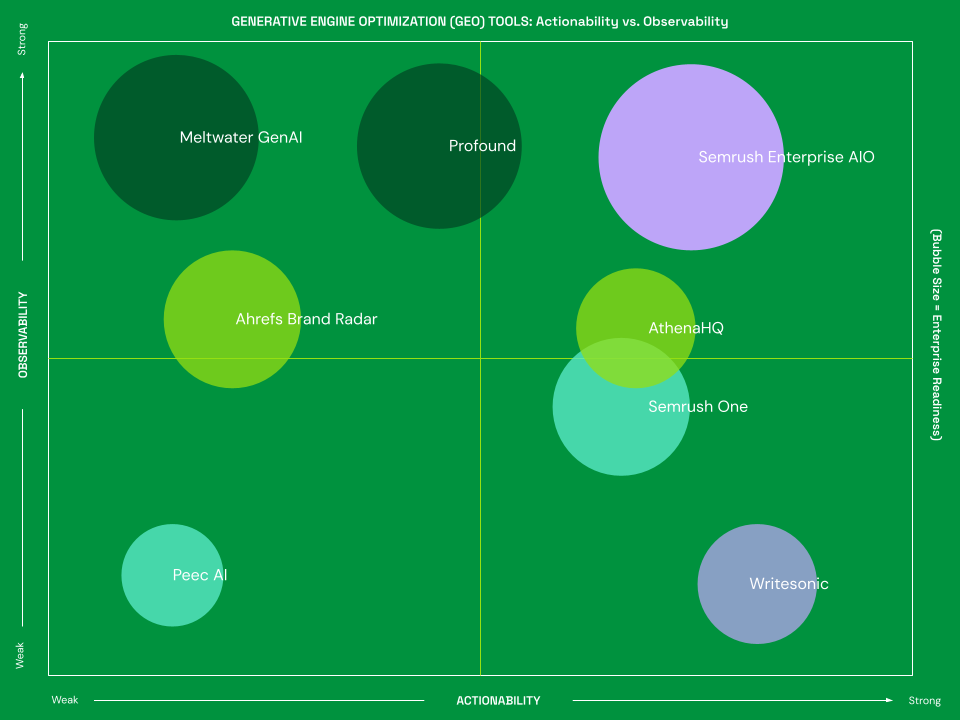
Many talk theory, but do they have live AIO Case Studies? If your agency teams are still treating AI visibility as “mysterious” start here.
Table of contents
Jump to a tool, then scroll to Sources for reference links.
What GEO tools actually do
GEO tools track how AI systems talk about your brand, what they cite, and where you are invisible. The best ones help teams identify content gaps, create content that answers the questions buyers ask assistants, and optimize content so it becomes quotable and citeable.
GEO is not “new SEO.” It’s a visibility layer for the answer era. If your brand isn’t in the shortlist inside AI answers, your rankings can be perfect and you’ll still lose the moment of choice.
1) Semrush Enterprise AI Optimization
Best for: enterprise-grade AI visibility benchmarking plus executive-ready reporting
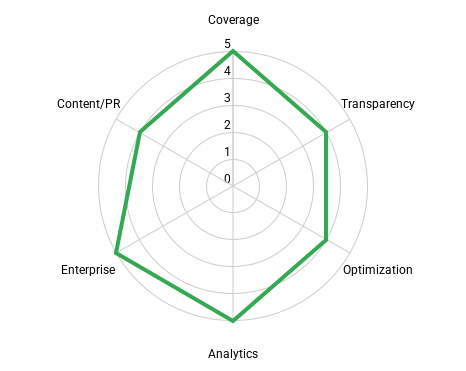
If your organization already uses Semrush, this is the most straightforward path to an enterprise GEO command center. The value is not just tracking. It’s making AI visibility legible to leadership and operational teams without creating a parallel analytics universe.
Key strengths
- Coverage: broad tracking across major AI answer environments.
- Analytics: competitive benchmarking and reporting that market teams can actually use.
- Enterprise readiness: built to live in large org workflows and reporting cadences.
When this is a great fit: You want one system that helps SEO, content, and leadership agree on what “winning in AI answers” actually means, and you need it to sit next to your existing search reporting.
2) Profound
Best for: enterprise GEO observability, citations, governance, and being a system of record
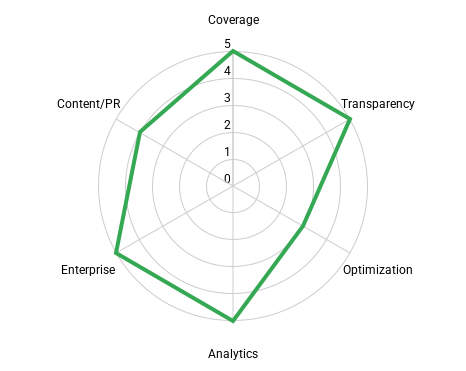
Profound is for teams that want observability-first GEO, especially when governance is non-negotiable. It’s built to answer hard questions: What did the engine say, what did it cite, and what changed last week?
Key strengths
- Transparency: strong citation and source visibility.
- Analytics: enterprise-grade monitoring and reporting.
- Enterprise readiness: designed to survive security and procurement processes.
Reality check: Observability is not execution. Profound can tell you where you’re losing. Your team still needs a content and PR machine to close the gaps.
3) Ahrefs Brand Radar
Best for: Ahrefs-first orgs that want AI visibility measurement without switching stacks
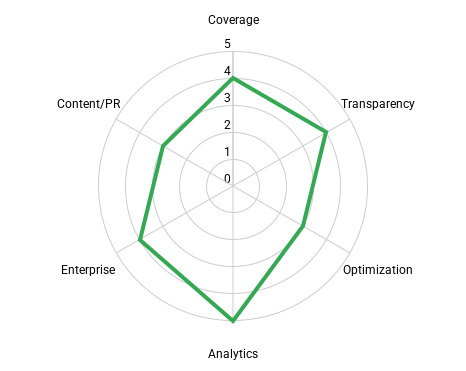
Ahrefs Brand Radar is the practical choice when your SEO org already runs on Ahrefs. It focuses on brand presence in AI answers and competitive benchmarking, then ties it back to the same ecosystem your teams already trust.
Key strengths
- Analytics: strong benchmarking and competitive visibility reporting.
- Coverage: solid reach across major AI surfaces.
- Workflow fit: minimal disruption if you are already Ahrefs-standard.
Profound vs Ahrefs: If you need enterprise governance and a dedicated system of record, Profound stays higher. If your buyer is the SEO org and everything happens inside Ahrefs weekly, Brand Radar is the efficient path to value.
4) AthenaHQ
Best for: prescriptive GEO recommendations and “what do we do next?” workflows
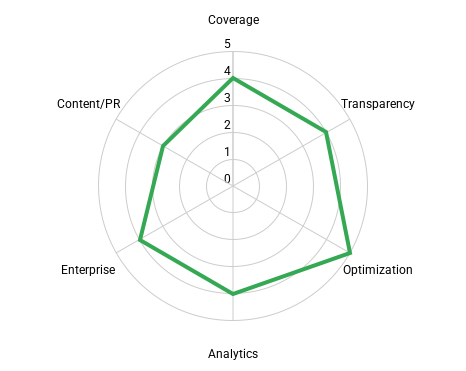
AthenaHQ is built for teams that want actionability, not just monitoring. Its positioning leans into recommendations, which helps market teams translate visibility problems into publishing and optimization tasks.
Key strengths
- Optimization: strong emphasis on guidance and recommendation workflows.
- Coverage: good breadth across assistant environments.
- Analytics: solid reporting, especially when paired with content operations.
Implementation note: Evaluate the plan tier that includes the features you actually want. Some capabilities tend to be enterprise-gated.
5) Writesonic GEO Platform
Best for: teams that want to create content and optimize content inside the same environment
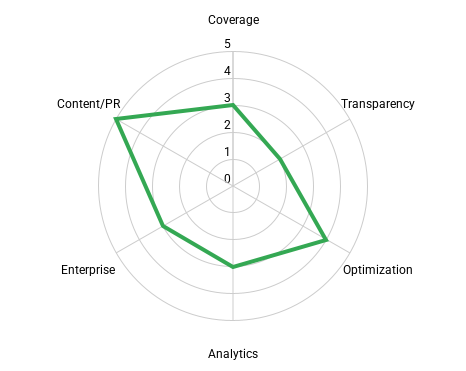
Writesonic is attractive when content velocity matters and your teams want a single place to move from insight to output. It’s less of a pure observability platform and more of a “GEO plus execution” workflow.
Key strengths
- Content/PR: strongest in this list for hands-on content creation workflows.
- Optimization: practical content improvement pathways.
- Speed: good for teams trying to operationalize content updates quickly.
Governance note: If you are heavily regulated, pressure-test roles and approval workflows. You may pair this with an observability-first platform.
6) Peec AI
Best for: lightweight prompt monitoring and marketing-friendly reporting
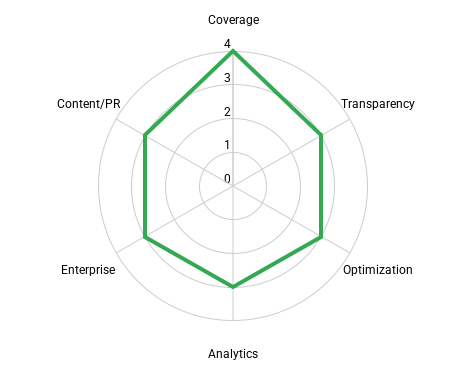
Peec AI is the on-ramp for teams that want prompt-based monitoring and competitive visibility without heavy implementation. It’s built to be easy to share, easy to explain, and easy to operationalize.
Key strengths
- Coverage: good breadth across assistants.
- Actionability: useful for weekly reporting and tracking changes by topic.
- Usability: designed for market teams, not just technical SEO specialists.
Best use case: Start measuring AI visibility quickly, build internal momentum, then graduate to deeper enterprise observability if needed.
7) Semrush One
Best for: broader “search everywhere” workflows where GEO is one part of the suite
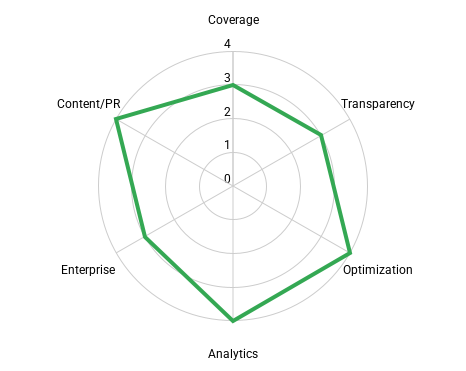
Semrush One is the platform bundle play. It’s useful when you want a unified environment for search and content workflows, with GEO capabilities included, but it is not as specialized as Enterprise AI Optimization for dedicated GEO programs.
Key strengths
- Breadth: helpful when teams want one platform for multiple search workflows.
- Workflow fit: reduces tool sprawl for mid-to-large teams.
- Content/PR: solid support for integrated execution workflows.
Honorable mention: Meltwater GenAI Lens
Best for: PR, comms, and reputation teams treating AI answers as a narrative channel
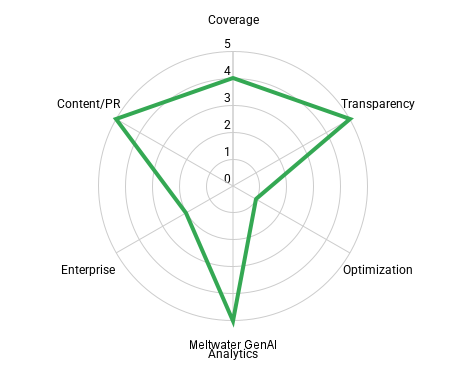
Meltwater GenAI Lens is not an SEO tool in the traditional sense. It’s best understood as narrative monitoring across assistants. If your risk is “how are we being described” and “what misinformation is spreading,” this belongs in the conversation.
Key strengths
- Transparency: strong on sources and narrative clarity.
- Analytics: built for reporting, monitoring, and comms workflows.
- Content/PR: best-in-class fit for comms teams.
Where this fits: This complements GEO. It does not replace it. Use it alongside SEO and content operations when reputation and narrative accuracy matter.
How to evaluate GEO tools for your company
1) Engine coverage and refresh rate
Confirm which AI experiences are covered and how often results are refreshed. Answers change faster than rankings.
2) Citation and source transparency
If you cannot see what sources engines rely on, you cannot influence outcomes. Transparency is the bridge between “interesting” and “actionable.”
3) Actionability for market teams
Look for workflows that help teams identify content gaps, create content, and optimize content with realistic publishing and governance constraints.
4) Enterprise readiness
In regulated industries, security posture, SSO, permissions, and data handling are often the difference between adoption and endless pilot purgatory.
Pro tip: Most teams fail GEO by treating it as “SEO’s problem.” The winners treat it as a shared system across SEO, content, PR, and analytics.
The bottom line
Traditional SEO still matters. GEO is the layer that decides whether you are named in the answer before the click ever exists. Choose a tool that matches your operating model, then measure AI visibility the way you used to measure rankings: consistently, competitively, and with a plan to improve.
Sources
Reference links are collected here to keep the main article readable while still supporting key claims.
Reports and research
- Yext: AI Search Archetypes report
- Optimizely: Clickless Customer research
- Search Engine Land: AI search and visibility coverage
- Google: SEO starter guide