
Public Relations for Universities: Driving Brand Awareness and Demand

Public relations as a discipline is generally misunderstood, especially in higher education. Most people think of it as crisis control, reputation management, or sending out a press release and hoping something sticks. But in today’s digital-first world, PR plays a much bigger role. When used strategically, it can support content marketing, strengthen SEO, and help universities and educational institutions show up in more places, more often, across a long and complex student decision journey.
PR Should Not be Viewed as Reactive
One of the biggest misconceptions about PR is that it’s mostly reactive. Something goes wrong, bad press happens, and the PR person jumps in to write a statement or manage the fallout. Another major misconception is that PR is just blasting a press release to hundreds of contacts and hoping a few outlets pick it up.
That’s an outdated and inaccurate version of PR. And while crisis communications and press releases still have their place, they’re no longer the whole picture.
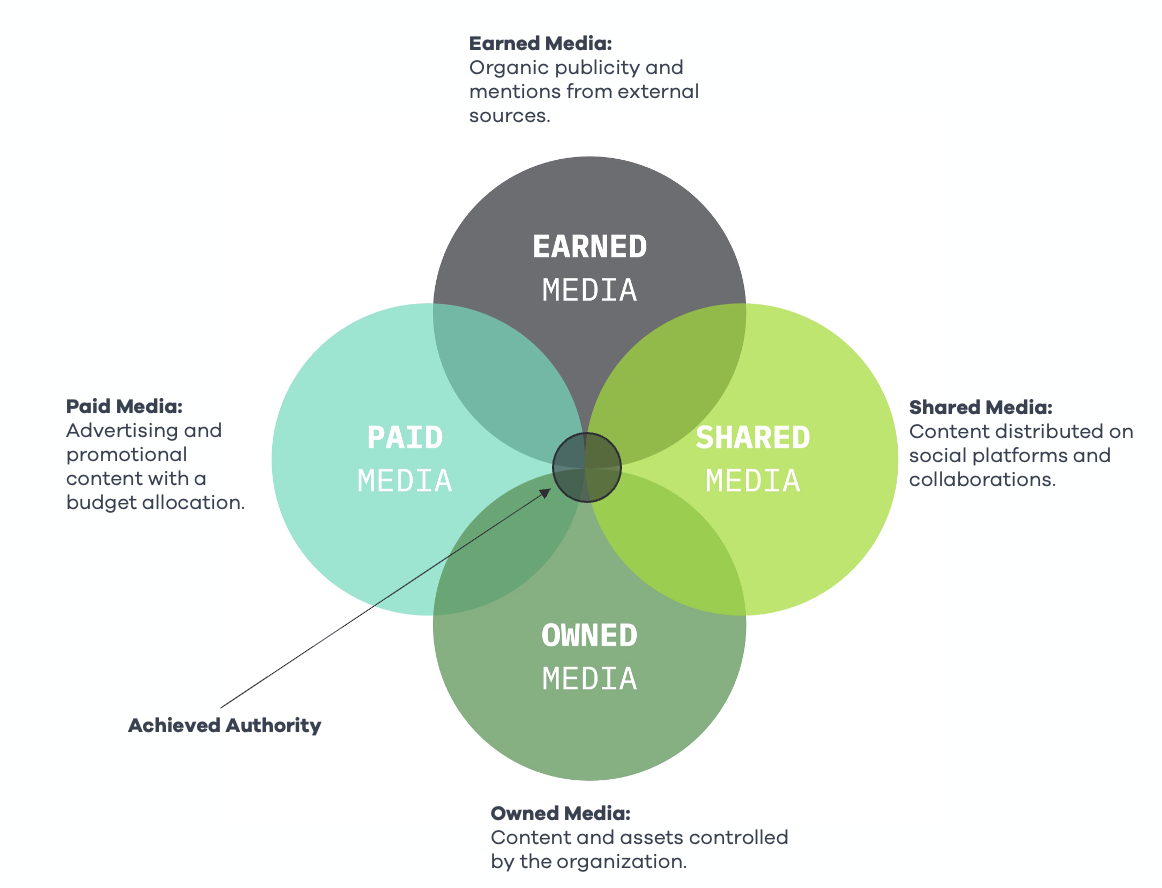
In the age of digital marketing, PR is a proactive channel. It’s a way to drive brand awareness, reach new audiences, and support people at multiple touchpoints throughout their prospective student journey. It works best when it’s part of a broader omnichannel strategy, alongside social media, SEO, paid media, and content.
You can isolate any one of these channels and see results. But the real impact happens when they’re working together. PR helps introduce your brand to new people, SEO helps them find you again, social keeps you top of mind, and paid media nudges them when they’re closer to making a decision.
Why PR Makes Sense for Higher Ed Specifically
Higher education has a long sales cycle. Especially now, with more alternatives to traditional degrees, it’s rarely as simple as seeing an ad and signing up.
Programs are expensive. Decisions are personal. People take time to research, compare options, and build trust before they ever fill out a form.
This is where PR can become very valuable. It often acts as a first touchpoint: the moment someone hears about your institution for the first time through an article, an interview, or a podcast. They may not convert right away, but now your brand or institution exists in their world.
A month later, maybe they see a paid ad. Then they visit your site. They might check out some of your blog content. Then they follow you on social media. That original PR placement quietly put you on their radar.
What PR Actually Looks Like in Practice
So what does a PR person in higher ed actually do all day?
One of the main activities is pitching journalists, editors, and producers with story ideas. In the PR world, everyone has strong opinions about how pitching should be done. Some editors want short, direct emails, while others prefer more context before they decide if something is worth covering.
What doesn’t change about pitching is volume. Journalists receive thousands of pitches every week. The average response rate is around 3%. That means success isn’t about sending 50 generic emails. It’s about authenticity, consistency, relevance, and having something worth sharing.
What Should You Be Pitching?
This is where PR becomes more strategic than people expect. A good PR person needs visibility into what’s happening across the organization. The best stories rarely come from a single team.
Some examples:
- A new course launching that ties into a current industry trend
- A professor with a strong POV on a topic in the news
- Alumni doing interesting things in their careers
- A research study or report
- An upcoming event or conference
- A faculty member publishing a book
These stories are much more appealing to journalists than “we’re the best at X.”
PR can also take many formats:
- Interviews with faculty, staff, or alumni
- Thought leadership articles written by experts
- Listicles and rankings (best programs, best certificates, best online degrees)
- Podcasts and media appearances
Each of these becomes content that can be reused across channels. It should be shared on social media, featured on your website, added to email campaigns, etc.
PR as an Omnichannel Growth Lever
One of the biggest advantages of PR is that it doesn’t live in a vacuum. An alumni gets featured in a podcast. You share it on social. It goes on your blog. A paid campaign later retargets people who visited that page. Now one piece of earned media is working across four channels.
PR also builds familiarity. Someone might see your brand in an article, forget about it, and then see a paid ad weeks later. That second touch feels more trustworthy because they’ve seen you before (even if they don’t consciously remember where).
How AI Is Changing PR (and Why It Matters)
PR is becoming even more important because of how people now discover information. Large language models like ChatGPT, Claude, and Gemini don’t rely only on your website. They pull from articles, publications, and third-party sources across the web.
And increasingly, prospective students are asking AI for recommendations before they ever touch Google. They’re looking for comparisons, pros and cons, and program suggestions.
That means your brand presence on external publications directly affects whether you show up in AI-generated results.
A recent Muck Rack report found that 82% of AI citations come from earned media, and about 94% come from non-paid sources. Journalism alone accounts for roughly 20–30% of what AI systems cite. In other words: what gets written about you matters more than ever.
Interestingly, press release citations have increased 5x since mid-2025, especially in tools like ChatGPT and Gemini. Structure also matters: AI tends to favor content with clear stats, bullet points, and objective language.
The challenge? Most PR teams are still pitching the wrong people. Muck Rack found only a 2% overlap between the journalists PR teams pitch and the journalists AI systems actually cite for brands. That means that not only does PR influence human audiences, it now influences machine audiences too.
PR Is a Long-Term Play
One of the most difficult parts of PR is proving its value. Executives want results. And PR rarely produces clean attribution. You can’t easily trace a student back to “the first article they read about us six months ago.”
That doesn’t mean it isn’t working. PR compounds over time. You don’t see meaningful results after one month. But without it, your brand slowly becomes invisible in places that actually shape trust — media, search results, and now AI systems.
How to Measure the Impact of PR
Measuring PR is less about a single metric and more about connecting activities to real business goals.
Some of the most useful indicators include:
- Editorial reach (how many people could have seen your placements)
- Number and quality of placements in reputable publications
- Referral traffic from media sites to your website
- High-quality backlinks that support SEO
- Authority metrics like keyword rankings and domain strength
- Social engagement when earned content is shared
- Relationships built with journalists and editors
If your goal is brand awareness, look at reach, traffic, and social engagement.
If your goal is demand, look at referral traffic, SEO performance, and assisted conversions.
PR becomes much easier to justify when you report it in the language stakeholders care about: not “we got coverage,” but “we increased visibility, credibility, and discovery in channels that directly support enrollment.”
The Real Value of PR in Higher Ed
PR is about visibility, not spin. It helps universities show up in places they don’t typically control, through authentic voices that people already trust. PR supports SEO, feeds content, shapes AI results, and introduces brands to people long before they’re ready to convert.
You may not always see the impact immediately. But over time, PR becomes the difference between being invisible and being part of the conversation when it actually matters.